


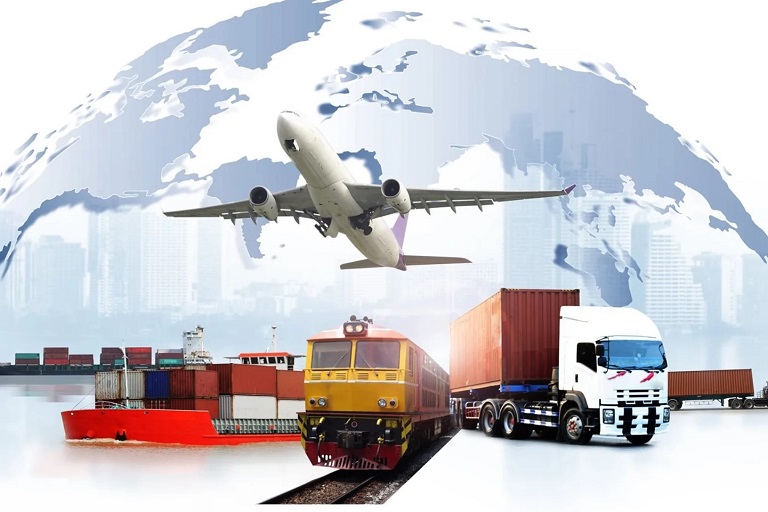
International shipping costs are one of the most influential factors in the profitability of foreign trade. Any misstep in this area can lead to increased product costs, reduced competitiveness, and even loss of target markets. These costs are affected by variables such as the chosen mode of transport, geographical distance, cargo volume and nature, fuel price fluctuations, port fees, insurance, force majeure conditions, and even packaging methods.
However, businesses and traders can significantly reduce these expenses by selecting optimal routes, consolidating shipments, utilizing specialized logistics providers, planning carefully, and analyzing data intelligently. This article provides a comprehensive overview of the main factors affecting international shipping costs and the most effective strategies to manage and minimize them.
Key Factors Affecting International Shipping Costs
The final cost of transportation is influenced by a combination of operational, economic, and technical factors, each of which can play a decisive role in increasing or decreasing the overall price. Understanding these factors helps businesses manage their budget and schedule more effectively by selecting the right route, shipping method, and strategy. Below are the key components that impact international shipping costs.
Mode of Transport
Choosing the Transport Method (Sea, Air, Road, or Rail) as the Primary Cost Factor
Air Transport: The fastest but the most expensive option.
Sea Transport: Suitable for large volumes and non-time-sensitive cargo, offering a more economical solution.
Road Transport: Cost-effective for regional and short-distance routes.
Rail Transport: Ideal for heavy cargo over long distances, providing high stability and lower fuel consumption.
An incorrect choice of transport method often leads to higher final costs and even significant delays.
Volume, weight, and type of goods
International shipping costs are usually determined based on the weight and volume of the goods. Therefore, the nature of the cargo can directly affect the final price. For example:
Goods with large volume but low weight (such as bulk plastic products) usually incur higher costs because they occupy more space.
Shipments that require special conditions, such as refrigerated transport, temperature control, or reinforced packaging, incur additional costs.
High-value and sensitive goods, such as electronic equipment, incur higher shipping costs due to the need for insurance and special handling.
The type of shipment also affects the cost. Whether the cargo is shipped as a Full Container Load (FCL) or Less than Container Load (LCL) can make a significant difference in the final price. In FCL, the entire container capacity is allocated to a single customer, whereas in LCL, the costs are shared among multiple shipments.
Geographical distance and shipping route
The distance between origin and destination, the type of route (sea or land), the availability of direct lines, or the need for transshipment—all of these factors affect the final cost.
Routes involving multiple transshipments usually entail higher costs, longer transit times, and an increased risk of damage or delays.
Choosing high-traffic and standard routes helps reduce additional costs.
Fuel price fluctuations
One of the variable and influential factors is fuel cost. Shipping companies and airlines usually add a fuel surcharge to the base rate. Global energy market fluctuations directly affect transportation rates.
Port fees, customs duties, and additional charges
These costs are often overlooked but constitute a significant portion of the final expense:
THC (Terminal Handling Charges)
Demurrage
Warehousing
Customs clearance fees
Customs duties
Documentation fees (BL, CMR, AWB, etc.)
Professional management of these items can help reduce the hidden costs of trade.
International freight insurance
Valuable or sensitive cargo requires appropriate insurance. The increase in global risks—such as piracy, natural disasters, and strikes—has made insurance a significant factor in costs.
Choosing the right insurance clause (A/B/C) according to the actual risk of the cargo helps prevent additional expenses.
Economic and geopolitical conditions
Fluctuations in exchange rates, sanctions, political tensions, and changes in national regulations can directly affect shipping costs.
During periods of political instability, transportation costs increase because:
Shipping lines choose longer routes.
Insurances calculate higher risk.
Cargo security costs increase.
Professional Methods to Reduce International Shipping Costs
Intelligent supply chain management can have a significant impact on reducing international shipping costs. By employing specialized methods and making precise decisions, costs can be controlled and logistics operational efficiency can be increased.
Optimal and Intermodal Transport Method Selection
Using multimodal transport can reduce costs by up to 30% in many cases. Combining methods such as:
Sea + Rail
Road + Sea
Air + Road
can provide the best cost-to-time ratio.
In this regard, companies like Kian Darya Iranian, by offering intelligent multimodal solutions, identify and plan the most efficient shipping routes.
Consolidation of shipments
For small shipments, LCL (Less than Container Load) transport can be costly.
Professional solution:
Consolidate shipments with other cargos to reduce container costs. This method is highly efficient and cost-effective for small and medium-sized companies.
Packaging optimization
Oversized packaging increases volumetric weight and raises shipping costs.
Optimizing packaging can:
Reduce shipping costs
Minimize product damage
Increase loading process speed
Precise time planning
Rushed or express shipping is always expensive, especially for air transport.
With long-term planning:
Warehousing cost
Air freight cost
Force majeure cost
is significantly reduced.
Choosing a reliable logistics company
Working with specialized companies like Kian Darya Iranian ensures:
The optimal route is selected.
Hidden costs are identified and eliminated.
Rates are obtained competitively.
Risk management and insurance are handled professionally.
The practical experience of professional companies in international negotiations and their network of contacts has a direct impact on reducing costs.
Utilizing technology and data analytics
Intelligent supply chain management (SCM) systems and online cargo tracking enable cost forecasting and optimal route management.
Companies that leverage digital logistics technologies typically incur up to 20% lower costs compared to competitors.
Negotiation with shipping lines and carriers
For large volumes, direct negotiation or working through professional logistics companies can significantly reduce rates. Companies like Kian Darya Iranian benefit from better rates and more flexible terms due to long-term partnerships with various shipping lines.
Choosing the right timing for shipment
Peak seasons, such as before the Chinese New Year or European holidays, cause sharp price increases. Smart scheduling and shipping during low-demand periods can reduce costs by up to 40%.
Professional logistics companies play a key role in reducing shipping costs.
Professional logistics companies, in addition to their experience and extensive network, provide value-added services that lead to cost reduction:
Specialized consultation before shipment
Introduction of lower-cost routes
Provision of multimodal options
Risk management and insurance
Cost–benefit analysis for each method
Providing transparent reports and precise tracking
Kian Darya Iranian, with over a decade of experience in international transportation, is one of the companies that, with an optimization-focused approach and operational expertise, significantly reduces its clients’ shipping costs.
Summary
International shipping costs are influenced by a complex and variable set of factors, ranging from the type of cargo to global policies. However, smart selection of the shipping method, using specialized logistics providers, optimizing packaging, consolidating shipments, and leveraging modern technologies can significantly reduce expenses. Companies like Kian Darya Iranian, with expertise in sea, air, rail, and road transport and offering intermodal solutions, play a key role in cost management and enhancing supply chain efficiency.



هیچ نظری وجود ندارد